
Request a Call

<svg xmlns="http://www.w3.org/2000/svg" width=" 100%" height=" 100%" viewBox="0 0 59.783 59.783">
<g id="Project_Managers" data-name="Project Managers" transform="translate(0.63 0.63)">
<path id="Path_22887" data-name="Path 22887" d="M24.519,5.87a10,10,0,0,1,5.876,9.1v3.964H9.84V14.972a10,10,0,0,1,5.876-9.1" transform="translate(9.144 5.207)" fill="none" stroke="currentColor" stroke-linecap="round" stroke-linejoin="round" stroke-width="2.5"/>
<circle id="Ellipse_343" data-name="Ellipse 343" cx="5.776" cy="5.776" r="5.776" transform="translate(23.485 0.62)" fill="none" stroke="currentColor" stroke-linecap="round" stroke-linejoin="round" stroke-width="2.5"/>
<line id="Line_579" data-name="Line 579" y2="4.501" transform="translate(29.321 12.949)" fill="none" stroke="currentColor" stroke-linecap="round" stroke-linejoin="round" stroke-width="2.5"/>
<path id="Path_22888" data-name="Path 22888" d="M27.159,39.079H12.778A2.8,2.8,0,0,1,9.99,36.291v-13.9A2.8,2.8,0,0,1,12.778,19.6h14.38a2.8,2.8,0,0,1,2.788,2.788v13.9A2.8,2.8,0,0,1,27.159,39.079Z" transform="translate(9.293 18.823)" fill="none" stroke="currentColor" stroke-linecap="round" stroke-linejoin="round" stroke-width="2.5"/>
<path id="Path_22889" data-name="Path 22889" d="M32.334,39.079H26.378a2.8,2.8,0,0,1-2.788-2.788v-13.9A2.8,2.8,0,0,1,26.378,19.6h5.955a2.8,2.8,0,0,1,2.788,2.788v13.9A2.8,2.8,0,0,1,32.334,39.079Z" transform="translate(22.78 18.823)" fill="none" stroke="currentColor" stroke-linecap="round" stroke-linejoin="round" stroke-width="2.5"/>
<path id="Path_22890" data-name="Path 22890" d="M9.364,39.079H3.408A2.8,2.8,0,0,1,.62,36.291v-13.9A2.8,2.8,0,0,1,3.408,19.6H9.364a2.8,2.8,0,0,1,2.788,2.788v13.9A2.8,2.8,0,0,1,9.364,39.079Z" transform="translate(0 18.823)" fill="none" stroke="currentColor" stroke-linecap="round" stroke-linejoin="round" stroke-width="2.5"/>
<line id="Line_580" data-name="Line 580" y2="14.241" transform="translate(29.261 24.162)" fill="none" stroke="currentColor" stroke-linecap="round" stroke-linejoin="round" stroke-width="2.5"/>
<path id="Path_22891" data-name="Path 22891" d="M49.221,23.14V20.173a4.161,4.161,0,0,0-4.163-4.163H7.713A4.161,4.161,0,0,0,3.55,20.173V23.14" transform="translate(2.906 15.263)" fill="none" stroke="currentColor" stroke-linecap="round" stroke-linejoin="round" stroke-width="2.5"/>
</g>
</svg>
Do I need to hire an eLearning Project Manager?
An eLearning Project Manager ensures training initiatives run smoothly, stay on schedule, and remain on budget.


Training Manufacturers in Top Gear
Using Custom Microlearning to Deliver Skills and Training at the Point of Need

Client
A leading manufacturer of specialized equipment for asphalt road building, aggregate processing, and concrete production for over four decades.
Challenge
Our client wanted to create a customer-facing certification program for its audience of deskless workers and machine operators.
Technical or machinery/equipment training is not just a one-time occurrence. As machinery continues to evolve together with the advancement of technology, continuous training and development is a critical necessity for many reasons—-first and foremost safety and decreased risk of injury, as well as facilitating career progression and formal qualifications of the workforce. The goal was to provide adept technical skills training to the equipment handlers and operators of various machines while also creating a learning culture through performance support solutions. The client wanted a complete learning curriculum that could double up as a certification program to boost the morale and confidence of workers.
Furthermore, the current user manuals were text-heavy and exhaustive. Distributing these manuals or even facilitating an instructor-led training session that captures key aspects did little to advance the learners’ knowledge and skill. Retention of knowledge and clear application skills were impossible to achieve. To drive performance at the workplace, the client wanted an overhaul of the training content and a new delivery method that would be engaging, effective, and meet dynamic requirements.
Strategy & Solution
The ELB Learning team set to work by first analyzing the technical manuals to optimize content according to the learning objectives. We worked with SMEs on the course design to ensure that each training session was no longer than 45 minutes. One of the key goals was to not only introduce learners to the content but allow them to practice what they learned and revisit it as required. ELB’s team of Instructional Designers, eLearning Developers and Learning Strategists concurred that a spaced learning strategy through microlearning modules would allow learners to practice, review, and master new skills.
Each 45-minute course in turn is broken up into multiple modules that include:
- Overview of all machines
- Operation of machinery/equipment
- Safety aspects and processes
- Maintenance and lubrication
- Emergency procedures & troubleshooting
Short and targeted training efforts ensure higher engagement with the content and maximize knowledge retention.
The other key features of the training curriculum include:
- Course Design: The modules are either conceptual or procedural in nature, and each content module ends with knowledge check questions. Additional quiz modules are part of the learning curriculum. All modules (both content and quiz) are audio driven.
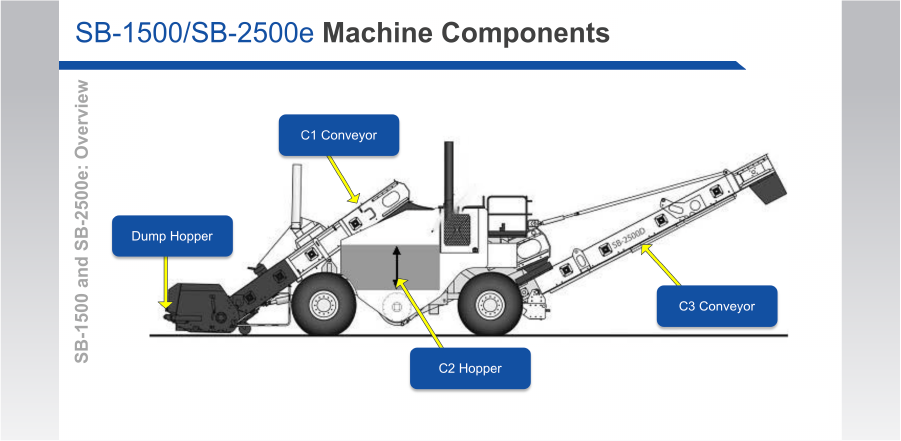
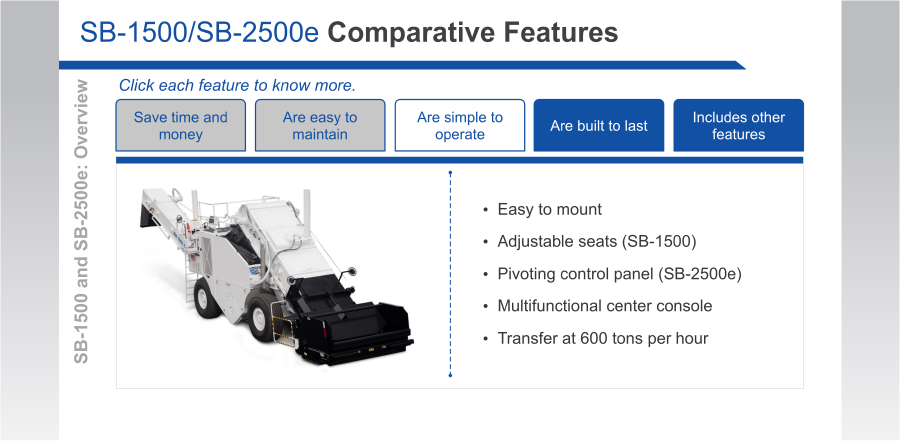
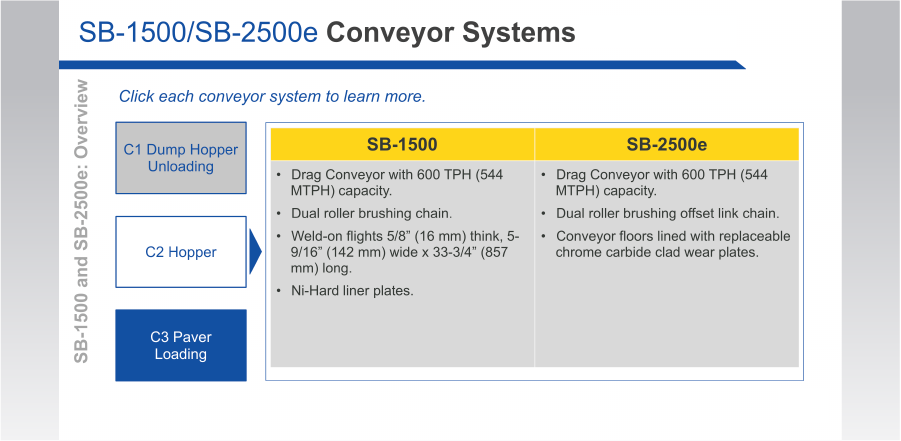
- Concept modules are supported by 2D images and illustrations and augmented with callouts and labels, keeping on-screen text to a bare minimum.
- Modules are built with Level 1 interactivity to enhance learning.
- Assessments and quizzes include drag-and-drop components, multiple-choice questions, and similar strategies that demand higher interaction and engagement from the learners.
- The language in the course content is crisp, simple and easy to understand by the target audience.
- Complex topics like machine assembly and operating systems are introduced with interactivity elements that give a very hands-on approach to learning.
- The UI for the training course includes clutter-free layouts and a well-defined information display.
- The entire training course is published in SCORM formats to aid in easy access and compatibility with any learning platform.
- The entire training content is mobile-learning friendly keeping in mind the needs of deskless employees, and the training goals to be achieved.
- Microlearning modules ensure that learners are engaged with the content from the start and can rely on the resources in their time of need.
Results
Team ELB’s attention to detail in both content creation and learning strategy ensured that the target audience remained engaged with the training material during and after the course. The training content delivered learning of complex concepts in an easy and simple manner. It improved proficiency and delivered performance support at the time of need to workers.

Connect


